Table of Contents
Why Panasonic Smart TVs Stand Out in Today’s Market
Credit: iken3
Panasonic has carved a distinct path in television manufacturing. The company brings decades of experience into homes across continents. Their approach leans toward color accuracy rather than flashy oversaturation. This philosophy attracts viewers who prefer cinema as directors intended it, not as marketing departments imagine it should look.
The brand returned to the United States market recently after a brief absence. They partnered with Amazon’s Fire TV platform, which transformed how their televisions handle streaming content and smart features. This collaboration gives users access to thousands of apps, voice control through Alexa, and recommendations tailored to viewing habits.
Panasonic Smart TVs vs Competitors
| Smart TV Brands | Key Strengths |
|---|---|
| Panasonic Smart TVs | Filmmaker Mode, accurate color reproduction, professional calibration support |
| LG | webOS interface, extensive gaming features, wide size range |
| Samsung | Quantum Dot technology, bright panels, Tizen OS ecosystem |
| TCL | Value pricing, Mini-LED at competitive rates |
| Xiaomi | Value for money, innovative features, and a wide range of display technologies |
| Sony | Google TV platform, image processing excellence |
| Hisense | Aggressive brightness levels, budget-friendly options |
| Philips | Ambilight technology, European design sensibility |
Panasonic Smart TVs serve audiences who value picture authenticity over brightness wars. Home theater builders appreciate the brand’s commitment to industry standards. Families benefit from Fire TV’s unified interface that consolidates streaming services. Gamers find support for modern console features, though not always with the port count competitors offer.
This guide examines six Panasonic smart TVs from their current lineup. The Z95B represents their flagship OLED with revolutionary tandem panel technology. The Z90B offers premium OLED performance at a more accessible price point. The Z80B provides an entry into OLED territory. The W95B brings Mini-LED precision for those who prefer LCD technology. The W85B adds quantum dot enhancement to mid-range LED panels. The W70B serves budget-conscious households seeking basic 4K functionality.
These Panasonic smart TVs cater to various needs and budgets. Understanding their differences helps buyers match capability with expectation. Picture quality, gaming readiness, audio integration, and smart features vary across the range. The following sections detail what each television brings to your living room.
1. Panasonic Smart TVs: Panasonic Z95B Flagship OLED Delivers Tandem Technology
Credit: Panasonic
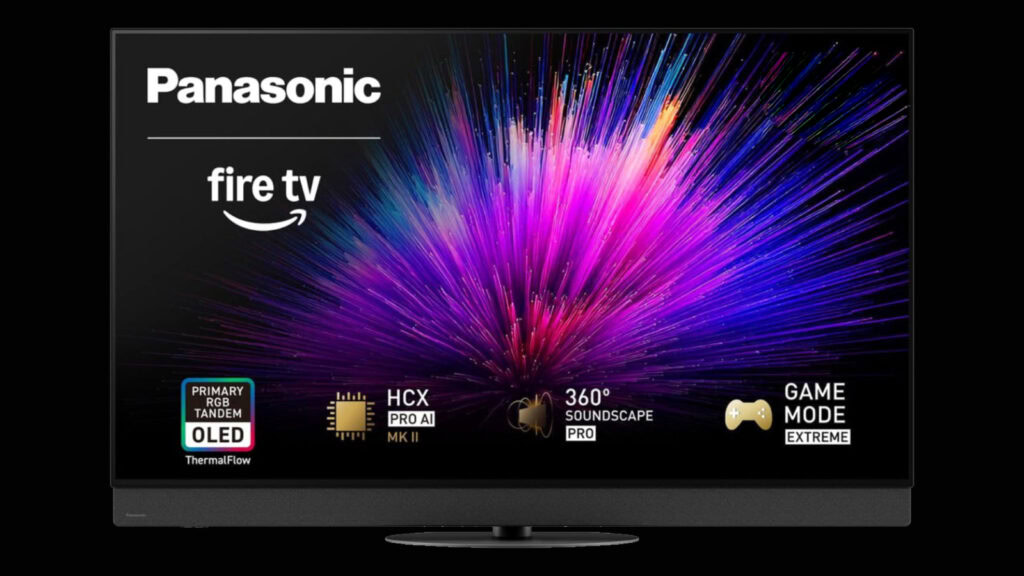
The Z95B represents where Panasonic poured their engineering resources for 2025. This flagship uses Primary RGB Tandem OLED panels from LG Display. The technology stacks four emission layers instead of three, refining light wavelengths and increasing color purity. Efficiency improves by 40 percent compared to previous generations.
Panasonic designed a ThermalFlow cooling system for this model. The engineering team studied race car aerodynamics to optimize airflow through the chassis. This keeps the panel operating at peak performance without thermal throttling. Brightness reaches levels previously impossible for OLED without compromising panel lifespan.
The HCX Pro AI MK II processor powers image processing. It analyzes content in real time, adjusting brightness, contrast, and color automatically. Stefan Sonnenfeld from Company 3 contributed color tuning expertise. His work with major filmmakers influences the picture presets.
Major Specifications
| Specification | Details |
|---|---|
| Processor / Chipset | HCX Pro AI MK II with MediaTek SoC |
| Operating System | Fire TV |
| Display | 55″, 65″, 77″ 4K Primary RGB Tandem OLED |
| Refresh Rate | 144Hz |
| HDR Support | HDR10, HDR10+, Dolby Vision IQ, HLG |
| Audio | 360° Soundscape Pro, Dolby Atmos, upgraded 30W subwoofer |
| Ports | 4 HDMI (2x HDMI 2.1 48Gbps), USB, Ethernet, Optical |
| Connectivity | Wi-Fi, Bluetooth, Apple AirPlay, Apple HomeKit |
| Smart Features | Alexa voice control, Prime Video Calibrated Mode, Calman/ISFccc calibration |
| Gaming Features | VRR, ALLM, AMD FreeSync Premium, NVIDIA G-Sync, Game Control Board |
User Type Recommendation: Who Should Buy It?
| User Type | Is This Smart TV a Good Fit? | Why? |
|---|---|---|
| Movie & Series Lovers | ✅ | Professional color grading, Dolby Vision IQ, Filmmaker Mode ensure content appears as creators intended |
| Gamers | ✅ | 144Hz refresh rate, VRR/ALLM support, low input lag make it excellent for PS5 and Xbox Series X |
| Families & Home Users | ✅ | Fire TV provides unified streaming access, multiple profiles, and parental controls |
| Sports Fans | ✅ | Fast panel response time and motion handling deliver smooth fast-action viewing |
| Tech Enthusiasts | ✅ | Cutting-edge tandem OLED technology, professional calibration tools, Apple ecosystem integration |
Quick Pros & Cons Table
| Pros | Cons |
|---|---|
| ✅ Revolutionary tandem OLED panel delivers exceptional brightness and color | ❌ Only two HDMI 2.1 ports limit multi-console setups |
| ✅ ThermalFlow cooling sustains peak performance | ❌ Premium pricing places it above most competing OLEDs |
| ✅ 360° Soundscape Pro audio reduces need for external soundbar | ❌ Fire TV interface may feel less refined than webOS or Google TV |
| ✅ Professional calibration support through Calman and ISFccc | ❌ Limited to three size options |
2. Panasonic Smart TVs: Panasonic Z90B Mid-Range Champion With Balanced OLED Performance
Credit: Panasonic
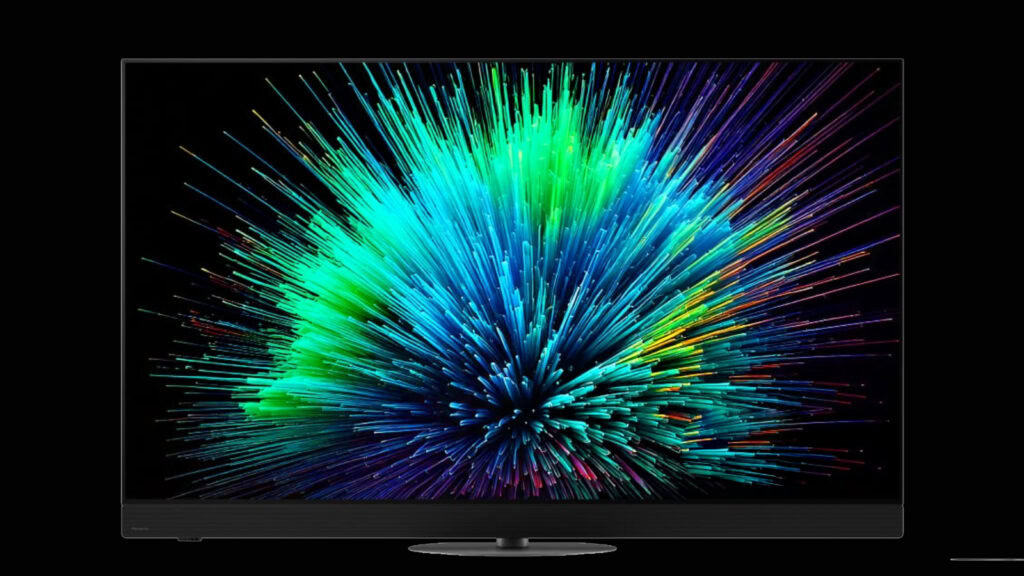
The Z90B sits one step below the flagship but retains much of what makes Panasonic OLEDs compelling. Models sized 55 inches and above use Master OLED Pro panels with integrated heat sinks. This allows sustained brightness output without thermal limitations affecting smaller OLEDs.
The same HCX Pro AI MK II processor from the Z95B handles image processing. Scene analysis adjusts parameters in real time for natural, dynamic pictures. Dynamic Cinema Surround Pro audio provides spatial sound through front-firing drivers and a 30W subwoofer. Technics engineers tuned the system for dialogue clarity and atmospheric effects.
Gaming features match current console capabilities. The 144Hz panel supports High Frame Rate content with Variable Refresh Rate technology. AMD FreeSync Premium and NVIDIA G-Sync certification ensure tear-free gameplay. The Game Control Board overlay lets players adjust settings without leaving their game.
Major Specifications
| Specification | Details |
|---|---|
| Processor / Chipset | HCX Pro AI MK II with MediaTek SoC |
| Operating System | Fire TV |
| Display | 42″, 48″, 55″, 65″, 77″ 4K OLED (55″+ Master OLED Pro with heat sink) |
| Refresh Rate | 144Hz |
| HDR Support | HDR10, HDR10+, Dolby Vision IQ, HLG |
| Audio | Dynamic Cinema Surround Pro, Dolby Atmos, 30W subwoofer |
| Ports | 4 HDMI (2x HDMI 2.1 48Gbps), USB, Ethernet, Optical |
| Connectivity | Wi-Fi, Bluetooth, Apple AirPlay, Apple HomeKit |
| Smart Features | Alexa voice control, Prime Video Calibrated Mode, Calman AutoCal support |
| Gaming Features | VRR, ALLM, AMD FreeSync Premium, NVIDIA G-Sync, Game Control Board, HFR up to 144Hz |
User Type Recommendation: Who Should Buy It?
| User Type | Is This Smart TV a Good Fit? | Why? |
|---|---|---|
| Movie & Series Lovers | ✅ | Accurate colors and Filmmaker Mode deliver authentic cinematic presentation |
| Gamers | ✅ | Full suite of gaming features with 144Hz support works perfectly with modern consoles |
| Families & Home Users | ✅ | Wide size range accommodates different rooms, Fire TV simplifies content discovery |
| Sports Fans | ✅ | OLED response times eliminate motion blur during fast-paced action |
| Tech Enthusiasts | ✅ | Professional calibration tools and comprehensive format support appeal to enthusiasts |
Quick Pros & Cons Table
| Pros | Cons |
|---|---|
| ✅ Master OLED Pro panel in larger sizes delivers excellent brightness | ❌ 42″ and 48″ models lack the advanced panel found in larger sizes |
| ✅ Integrated heat sink prevents thermal throttling | ❌ Only two HDMI 2.1 ports may frustrate multi-device setups |
| ✅ Built-in soundbar configuration reduces external audio investment | ❌ Non-swivel stand limits viewing angle adjustments |
| ✅ Five size options cover most room configurations | ❌ Stand footprint requires substantial TV unit depth |
3. Panasonic Smart TVs: Panasonic Z80B – Entry Level OLED Offers Accessible Premium Picture
Credit: Panasonic
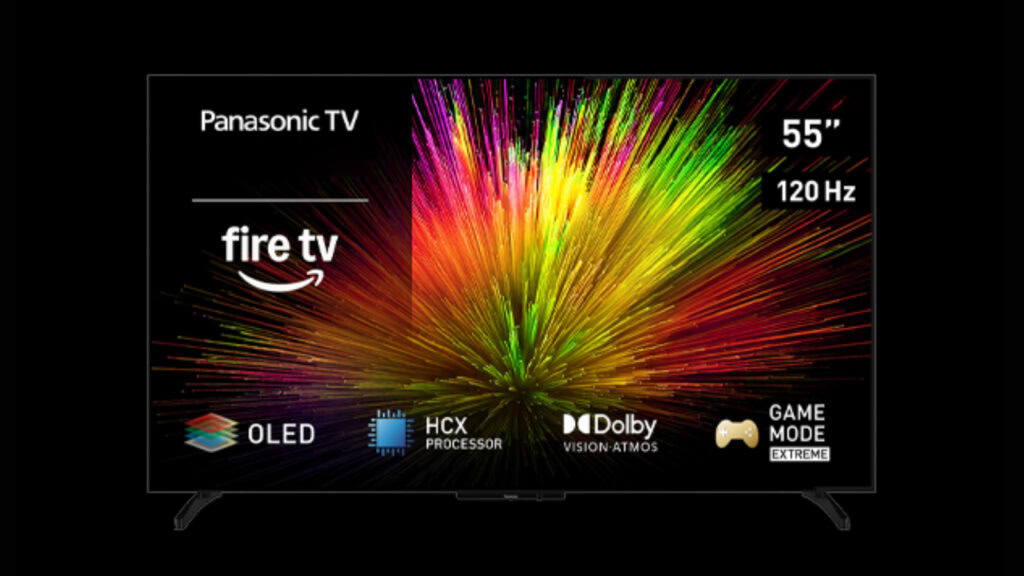
The Z80B provides the most affordable entry into Panasonic’s OLED lineup. This model uses standard OLED panels without heat sinks, keeping costs down while maintaining core picture advantages. Deep blacks and pixel-level contrast remain inherent to OLED technology.
The HCX processor handles image duties rather than the Pro AI MK II variant. Processing capability steps down but still supports HDR10+, Dolby Vision, and Filmmaker Mode. Picture accuracy stays faithful to Panasonic’s philosophy even at this price tier.
Panasonic Surround Sound Pro decodes Dolby Atmos sources. The configuration simplifies compared to higher models but provides spatial audio capability. Fire TV integration matches the premium range, giving full access to streaming services and voice control.
Major Specifications
| Specification | Details |
|---|---|
| Processor / Chipset | HCX Processor |
| Operating System | Fire TV |
| Display | 48″, 55″, 65″ 4K OLED |
| Refresh Rate | 120Hz |
| HDR Support | HDR10, HDR10+, Dolby Vision, HLG |
| Audio | Panasonic Surround Sound Pro, Dolby Atmos |
| Ports | 4 HDMI (2x HDMI 2.1), USB, Ethernet, Optical |
| Connectivity | Wi-Fi, Bluetooth, Apple AirPlay |
| Smart Features | Alexa voice control, Filmmaker Mode |
| Gaming Features | VRR, ALLM, AMD FreeSync Premium, NVIDIA G-Sync Compatible |
User Type Recommendation: Who Should Buy It?
| User Type | Is This Smart TV a Good Fit? | Why? |
|---|---|---|
| Movie & Series Lovers | ✅ | OLED contrast and color accuracy serve film enthusiasts well |
| Gamers | ⚠️ | 120Hz refresh rate works for most games but lacks the 144Hz headroom |
| Families & Home Users | ✅ | Fire TV simplifies navigation, OLED quality elevates everyday viewing |
| Sports Fans | ✅ | Fast pixel response eliminates motion blur during broadcasts |
| Tech Enthusiasts | ⚠️ | Standard processor and panel limit appeal for specification-focused buyers |
Quick Pros & Cons Table
| Pros | Cons |
|---|---|
| ✅ OLED technology delivers perfect blacks and excellent contrast | ❌ Standard OLED panel without heat sink limits sustained brightness |
| ✅ Most affordable Panasonic OLED maintains brand picture philosophy | ❌ HCX processor lacks AI enhancements found in premium models |
| ✅ Supports all major HDR formats including Dolby Vision | ❌ Audio system less sophisticated than Z90B and Z95B |
| ✅ Gaming features include VRR and ALLM for console compatibility | ❌ Designed by Vestel rather than Panasonic’s core engineering team |
4. Panasonic Smart TVs: Panasonic W95B – Premium Mini-LED Technology
Credit: Panasonic
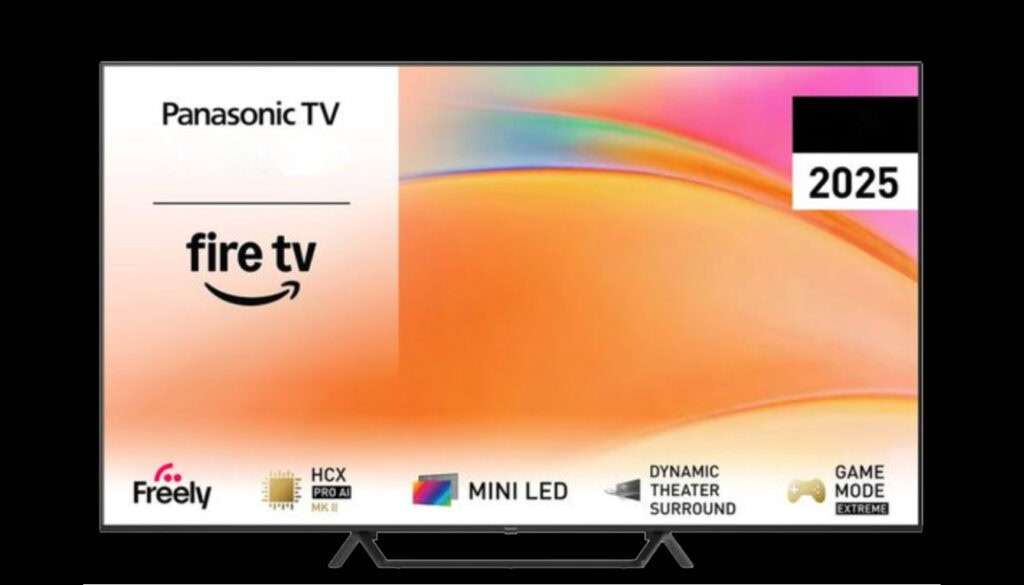
The W95B represents Panasonic’s flagship LCD offering with Mini-LED backlight technology. Local dimming zones increased by 2.5 times compared to the previous generation. The 65-inch model contains several hundred zones enabling precise contrast control.
Double area control independently powers each LED while signal-based adjustments optimize brightness. A phosphor-based backlight expands color gamut without quantum dots. Real-time color tuning compensates for temperature variations that affect panel performance.
The HCX Pro AI MK II processor applies the same advanced processing found in flagship OLEDs. Hybrid Tone Mapping improves HDR rendering in both bright and dark areas. Dolby Vision support extends to 144Hz refresh rates for gaming content.
Major Specifications
| Specification | Details |
|---|---|
| Processor / Chipset | HCX Pro AI MK II |
| Operating System | Fire TV |
| Display | 55″, 65″, 75″, 85″ 4K Mini-LED VA LCD |
| Refresh Rate | 144Hz |
| HDR Support | HDR10, HDR10+, Dolby Vision IQ with Precision Detail, HLG |
| Audio | 20W subwoofer, Dolby Atmos, external subwoofer output |
| Ports | 4 HDMI (2x HDMI 2.1 48Gbps), USB, Ethernet, Optical |
| Connectivity | Wi-Fi, Bluetooth, Apple AirPlay, Apple HomeKit |
| Smart Features | Alexa voice control, Prime Video Calibrated Mode, Calman/ISFccc calibration |
| Gaming Features | VRR, ALLM, True Game Mode, Game Control Board |
User Type Recommendation: Who Should Buy It?
| User Type | Is This Smart TV a Good Fit? | Why? |
|---|---|---|
| Movie & Series Lovers | ✅ | Mini-LED contrast approaches OLED while avoiding brightness limitations |
| Gamers | ✅ | 144Hz panel with VRR and low latency suits competitive gaming |
| Families & Home Users | ✅ | Four size options and bright panel work well in various lighting conditions |
| Sports Fans | ✅ | High brightness and fast refresh rate enhance sports viewing |
| Tech Enthusiasts | ✅ | Advanced local dimming and professional calibration tools appeal to enthusiasts |
Quick Pros & Cons Table
| Pros | Cons |
|---|---|
| ✅ Mini-LED backlight with extensive zone count delivers deep blacks | ❌ Cannot match OLED’s pixel-level contrast and viewing angles |
| ✅ Higher sustained brightness than any OLED model | ❌ Local dimming occasionally trails fast scene transitions |
| ✅ 85-inch option available for those wanting maximum screen size | ❌ VRR reportedly disables local dimming in some scenarios |
| ✅ 20W subwoofer with external connection option provides audio flexibility | ❌ Fewer zones than competing models from Hisense and TCL |
5. Panasonic Smart TVs: Panasonic W85B Mid-Range QLED With Quantum Dot
Credit: Panasonic
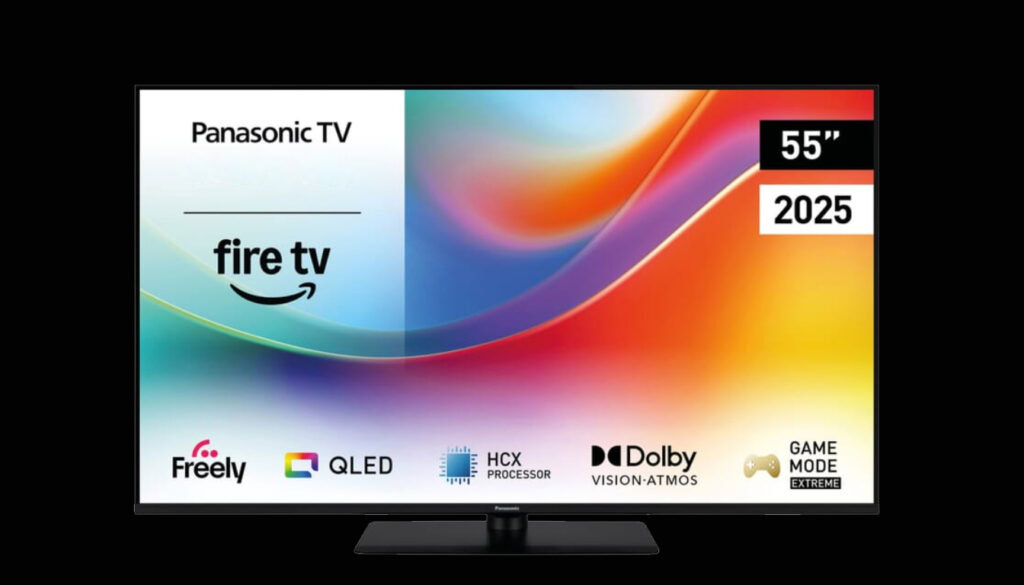
The W85B introduces quantum dot technology to Panasonic’s mid-range QLED lineup. The HDR Bright Panel Plus delivers approximately 30 percent more brightness than entry-level models. This makes the television suitable for rooms with significant ambient light.
A 120Hz panel supports smooth motion and gaming features. Game Mode Extreme activates VRR up to 120Hz along with AMD FreeSync Premium certification. The Game Control Board provides quick access to gaming settings without navigating deep menus.
Surround Sound Pro with Dolby Atmos creates spatial audio through the built-in speaker system. A subwoofer adds low-frequency impact. Fire TV handles streaming and app management with Alexa voice control integration.
Major Specifications
| Specification | Details |
|---|---|
| Processor / Chipset | HCX |
| Operating System | Fire TV |
| Display | 43″, 50″, 55″, 65″ 4K QLED LCD |
| Refresh Rate | 120Hz |
| HDR Support | HDR10, HDR10+, Dolby Vision, HLG |
| Audio | Surround Sound Pro, Dolby Atmos, subwoofer |
| Ports | 4 HDMI (2x HDMI 2.1), USB, Ethernet |
| Connectivity | Wi-Fi, Bluetooth, Apple AirPlay |
| Smart Features | Alexa voice control, Filmmaker Mode |
| Gaming Features | VRR up to 120Hz, ALLM, AMD FreeSync Premium, Game Control Board |
User Type Recommendation: Who Should Buy It?
| User Type | Is This Smart TV a Good Fit? | Why? |
|---|---|---|
| Movie & Series Lovers | ⚠️ | Quantum dots improve color but cannot match OLED contrast |
| Gamers | ✅ | 120Hz with VRR support handles current console requirements well |
| Families & Home Users | ✅ | Bright panel and affordable pricing suit busy family rooms |
| Sports Fans | ✅ | Brightness and motion handling work well for daytime sports viewing |
| Tech Enthusiasts | ⚠️ | Mid-range specifications may not satisfy specification-focused buyers |
Quick Pros & Cons Table
| Pros | Cons |
|---|---|
| ✅ Quantum dot layer expands color gamut beyond standard LEDs | ❌ Manufactured by Vestel rather than Panasonic’s core facilities |
| ✅ 120Hz refresh rate supports modern gaming consoles | ❌ Limited to four sizes with no large-screen options |
| ✅ HDR Bright Panel Plus improves performance in bright rooms | ❌ Standard processor lacks AI enhancements |
| ✅ Affordable entry into enhanced LED performance | ❌ Build quality may not match premium Panasonic models |
6. Panasonic Smart TVs: Panasonic W70B – Budget Option With Basic 4K
Credit: Panasonic
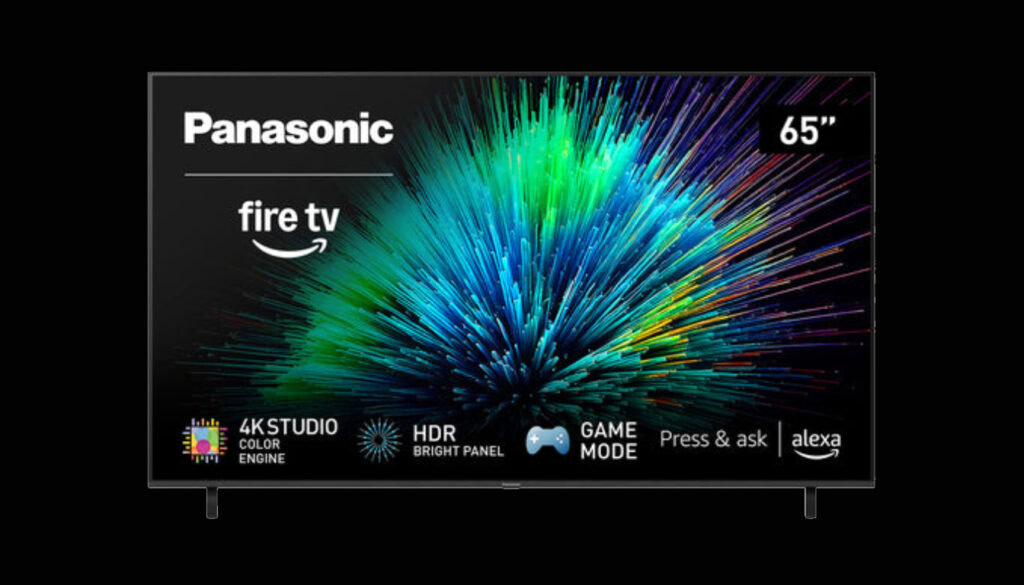
The W70B targets budget-conscious households needing straightforward 4K functionality. Seven size options from 43 to 85 inches accommodate various room sizes. Metal pedestal stands and slim bezels create a cleaner aesthetic than typical budget televisions.
A 60Hz VA LCD panel provides the display foundation. HDR10, HDR10+, and HLG support brings some dynamic range capability, though peak brightness remains modest around 330 nits. The full-panel backlight lacks local dimming, affecting contrast performance.
Four HDMI ports include one HDMI 2.1 connection. Bluetooth connectivity allows wireless headphone pairing. Fire TV provides the same streaming interface as premium models, giving access to thousands of apps and Alexa voice control.
Major Specifications
| Specification | Details |
|---|---|
| Processor / Chipset | Basic processor |
| Operating System | Fire TV |
| Display | 43″, 50″, 55″, 65″, 70″, 75″, 85″ 4K LED VA LCD |
| Refresh Rate | 60Hz |
| HDR Support | HDR10, HDR10+ (decode only), HLG |
| Audio | Standard stereo speakers |
| Ports | 4 HDMI (1x HDMI 2.1), USB, Ethernet |
| Connectivity | Wi-Fi, Bluetooth |
| Smart Features | Alexa voice control via remote, Display Mirroring |
| Gaming Features | Basic HDMI 2.1 support |
User Type Recommendation: Who Should Buy It?
| User Type | Is This Smart TV a Good Fit? | Why? |
|---|---|---|
| Movie & Series Lovers | ⚠️ | Limited brightness and contrast reduce cinematic impact |
| Gamers | ❌ | 60Hz refresh rate and lack of VRR disappoint modern console owners |
| Families & Home Users | ✅ | Seven size options and low prices suit secondary rooms and rentals |
| Sports Fans | ⚠️ | 60Hz panel and limited brightness affect fast-action viewing |
| Tech Enthusiasts | ❌ | Minimal features and basic performance hold little appeal |
Quick Pros & Cons Table
| Pros | Cons |
|---|---|
| ✅ Seven size options including massive 85-inch model | ❌ 60Hz refresh rate limits smooth motion and gaming capability |
| ✅ Fire TV provides full streaming access at any price | ❌ Peak brightness around 330 nits struggles in bright rooms |
| ✅ Metal stands and slim bezels improve budget appearance | ❌ No local dimming severely impacts contrast and black levels |
| ✅ Extremely affordable pricing makes 4K accessible | ❌ Limited color gamut fails to cover even full SDR range |
Comparison Table: Six Panasonic Smart TVs at a Glance
Panasonic Smart TVs Feature Comparison
| Panasonic Smart TVs | Best For Which User Type | Display Type & Size |
|---|---|---|
| Z95B OLED | Cinema purists, serious gamers, tech enthusiasts | Primary RGB Tandem OLED, 55″/65″/77″ |
| Z90B OLED | Movie lovers, console gamers, families | OLED (Master OLED Pro 55″+), 42″/48″/55″/65″/77″ |
| Z80B OLED | Budget OLED seekers, film fans | Standard OLED, 48″/55″/65″ |
| W95B Mini-LED | Bright room viewing, large screen enthusiasts | Mini-LED VA LCD, 55″/65″/75″/85″ |
| W85B QLED | Casual gamers, bright room users | QLED LCD, 43″/50″/55″/65″ |
| W70B LED | Budget shoppers, secondary rooms | VA LCD, 43″/50″/55″/65″/70″/75″/85″ |
What Defines Panasonic Smart TVs for Different Buyers
Credit: iken3
Choosing among these six Panasonic Smart TVs depends on how you watch and what matters in your space. The decision branches from budget, room lighting, content preferences, and whether gaming features justify higher costs.
Cinema enthusiasts gravitate toward OLED models. The Z95B delivers the ultimate expression of Panasonic’s picture philosophy with tandem panel brightness and professional color tuning. The Z90B provides similar accuracy in more sizes at lower prices. Even the Z80B maintains authentic color reproduction despite its entry-level positioning.
Bright rooms shift the equation toward LED options. The W95B brings Mini-LED contrast closer to OLED while sustaining higher brightness. Its local dimming system handles mixed content well, though it cannot match OLED’s absolute blacks. The W85B offers quantum dot enhancement for rooms with windows but less demanding requirements. Gamers need 120Hz minimum, preferably 144Hz with VRR support. The Z95B, Z90B, and W95B all deliver these features with low input lag. The limited HDMI 2.1 port count frustrates some users juggling multiple consoles and soundbars. Budget options like the W70B lack gaming credentials entirely.
Size requirements matter practically. The Z95B caps at 77 inches while the W70B extends to 85 inches. Small room dwellers appreciate the Z90B’s 42-inch option. Most buyers land somewhere between 55 and 65 inches, where all models except the W70B and W85B compete directly. Price sensitivity determines the starting point. The W70B costs hundreds rather than thousands, making 4K accessible for tight budgets or secondary televisions. The Z80B opens OLED territory below flagship pricing. The Z95B commands premium dollars for cutting-edge panel technology.
Fire TV runs across the entire range of Panasonic smart TVs. It provides a consistent interface experience regardless of price tier. This simplifies the decision since app selection and voice control remain constant. Only picture quality, gaming features, and audio systems differentiate models.
These Panasonic Smart TVs represent thoughtful engineering applied to different market segments. Each model knows its purpose. Understanding your priorities leads to the television that serves best for years ahead, not just impressive specifications on purchase day.
Read Some More Tech Articles
- Quantum Computing: 6 Powerful Concepts Driving Innovation
- 8 Powerful Smart Devices To Brighten Your Life
- 8 Big Ways Female Entrepreneurs Are Benefiting From FinTechs
- 8 Big Ways Women’s Empowerment is Aided by Smartphones
- 8 Big Ways Women’s Empowerment is Aided by Smartphones
- 8 Big Ways Small Businesses in India is Aided by Smartphones